

Submit a production run.
Every piece leaves with its own numbered report and its style number, written the same way across the run.
One report per pieceLaboratory-grown diamond jewellery
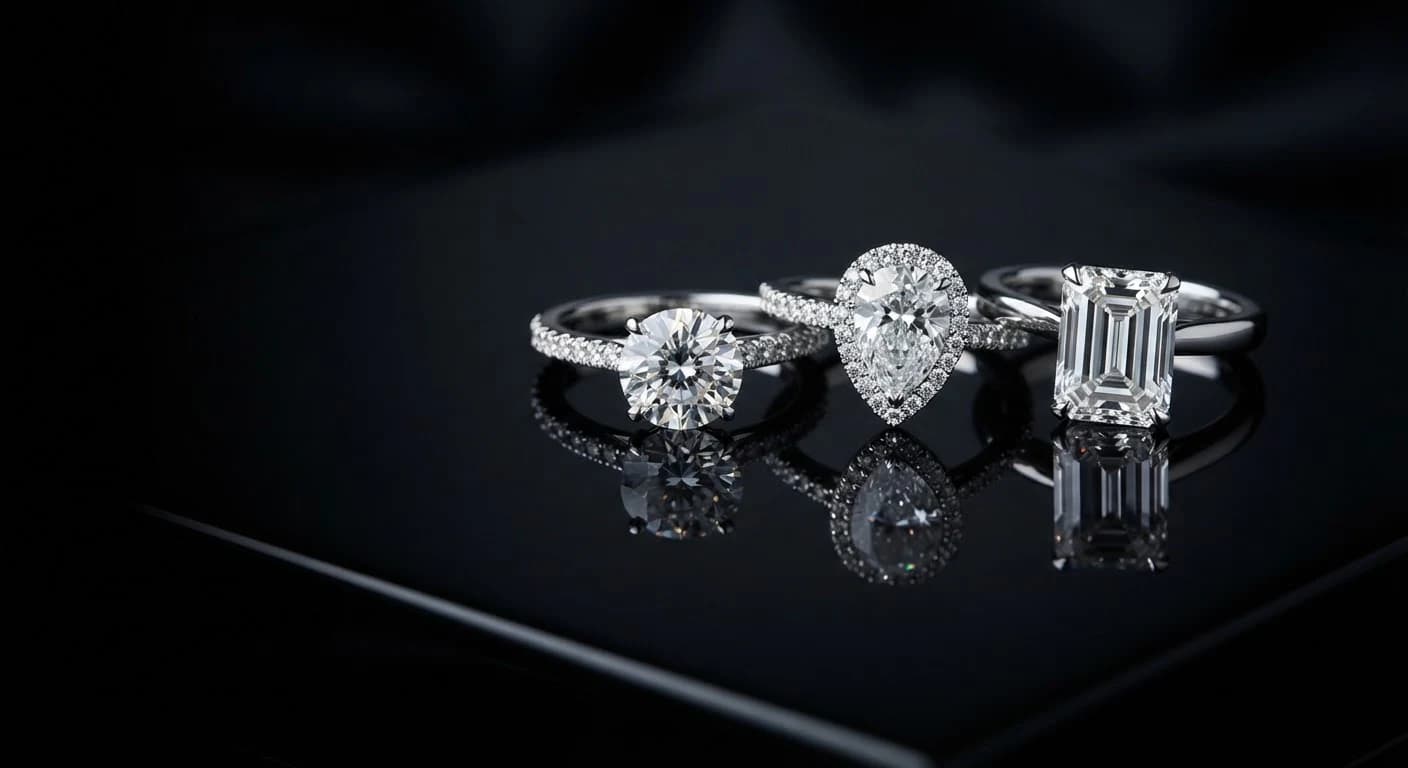
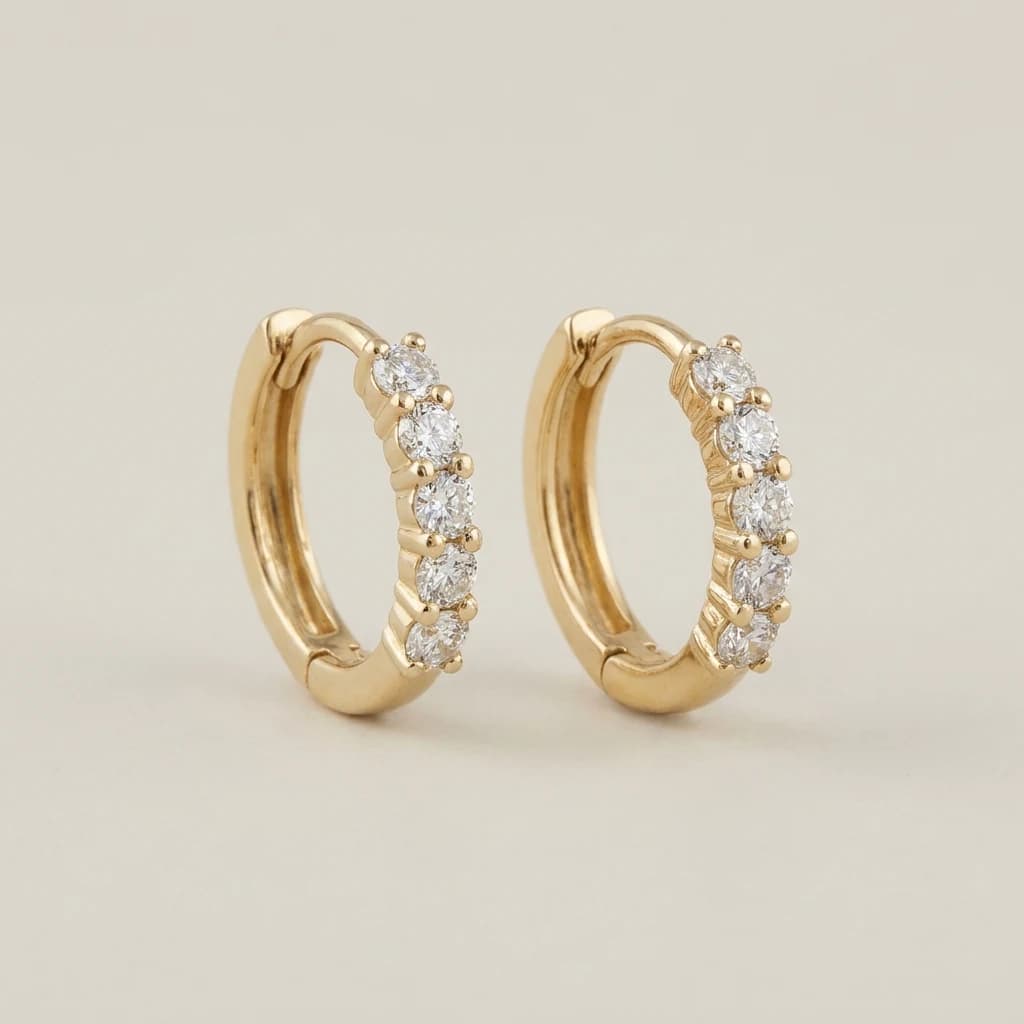
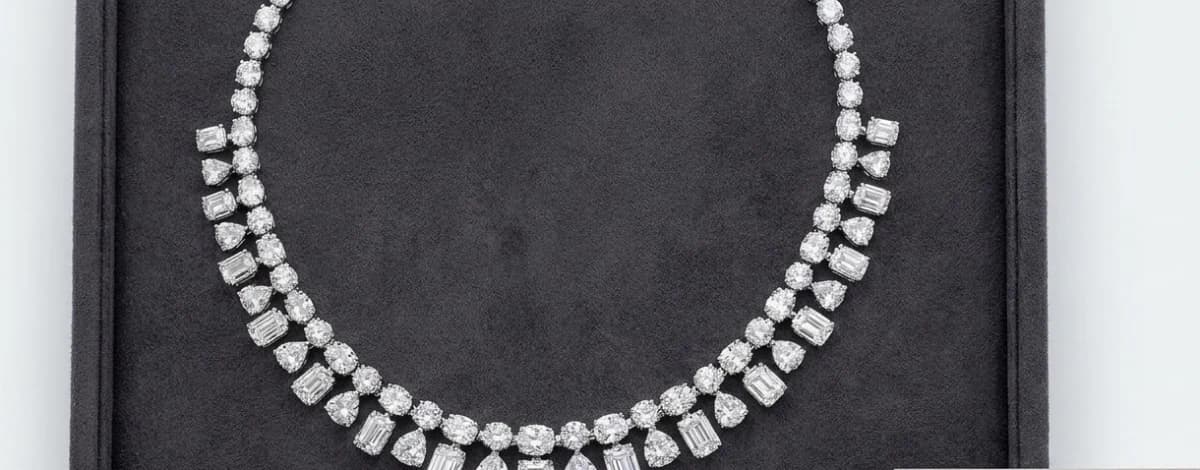
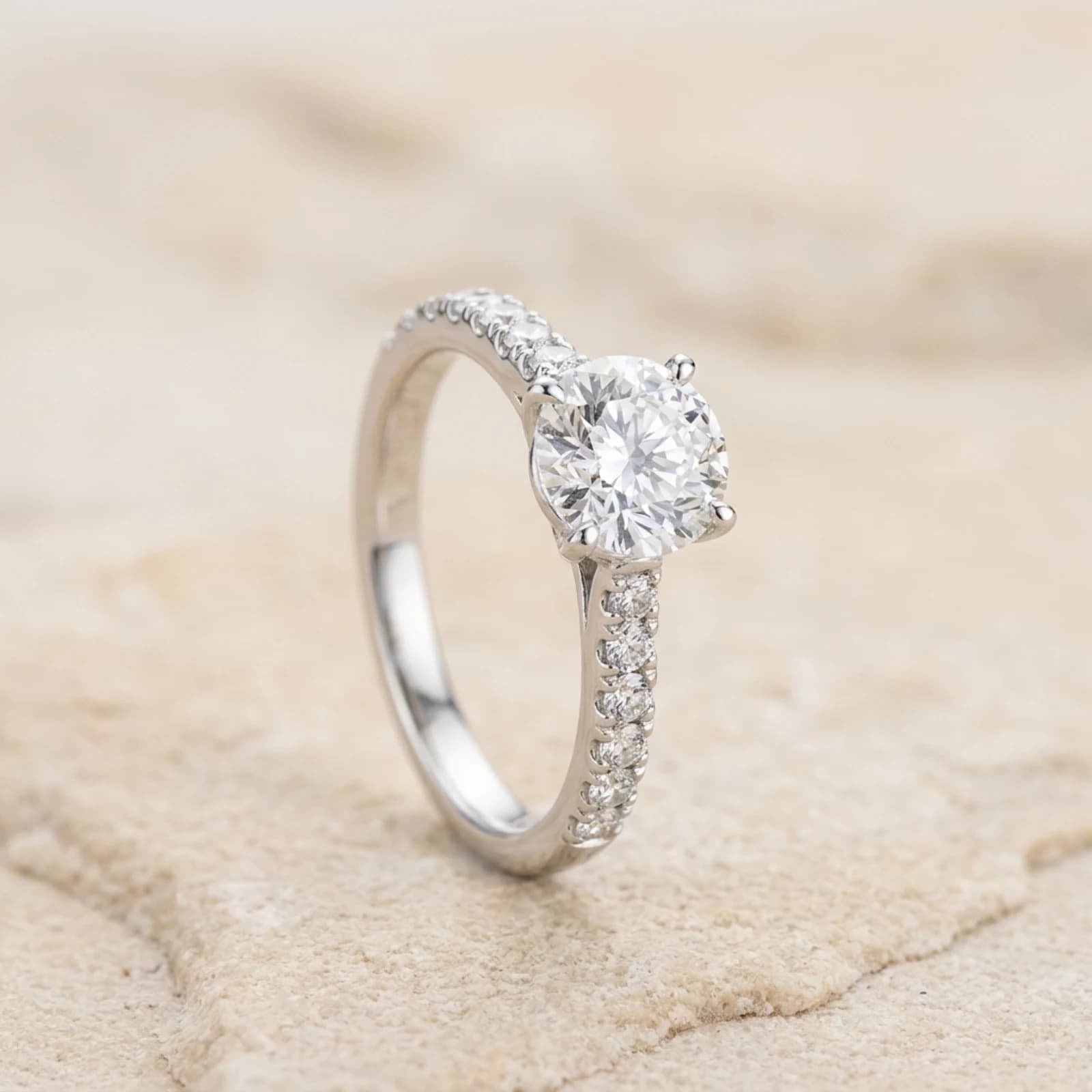
IJI examines finished rings, earrings, pendants, bracelets and necklaces set with laboratory-grown diamonds. Every diamond in the piece is identified and graded as the mounting permits, and the report states in words, on its front, that the diamonds were grown in a laboratory.
Have a report? Check it against our records.
Anatomy of a jewellery report
Values from report IJI-J-120025266
1Origin
Each diamond in the piece is identified, and the origin is stated in words on the front of the report.
2Shape and total weight
Set stones can’t be weighed loose, so the report gives the shape and cut and a total weight, estimated in the mount.
3Colour and clarity
Grading is done as the mounting permits, so colour and clarity are given as ranges rather than single grades.
4Description
The article, metal and gross weight are recorded as purported by the client, with the style number.
“Laboratory Grown Diamond” is printed in words on the front of the report, and the online record says the same.
Open report IJI-J-120025266Recently issued
The latest finished jewellery reports. Open any of them to see the record the institute holds.
Who it’s for
The same report serves the people who make a piece, the people who sell it and the person who wears it. Each reads it for something different.
Every piece leaves with its own numbered report and its style number, written the same way across the run.
One report per pieceEvery piece arrives with a numbered report. Check it against the register before the piece goes on the shelf.
Verify on receiptType the number from your report. The record shows the description, the total weight, the colour and clarity ranges, and that the diamonds were grown in a laboratory.
Verify a reportServices
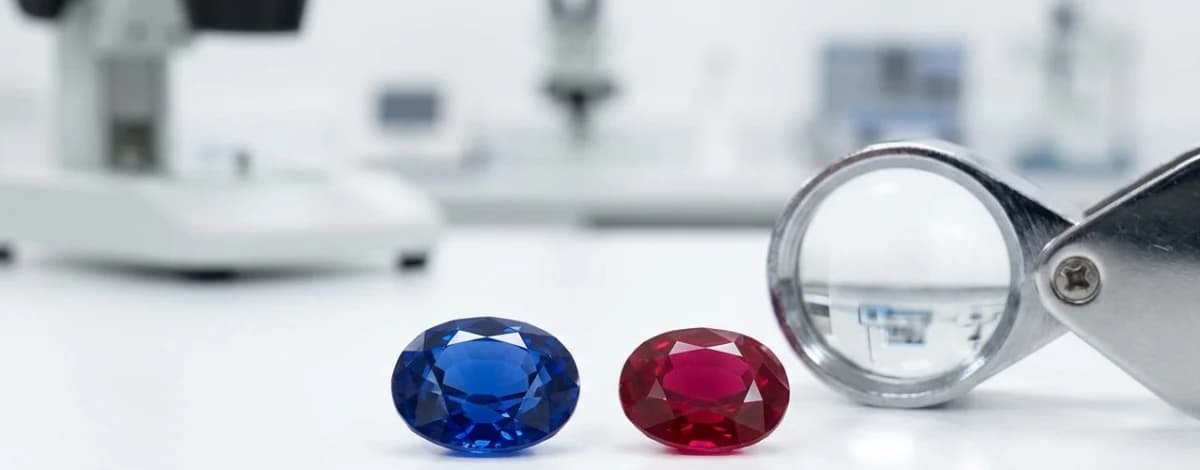
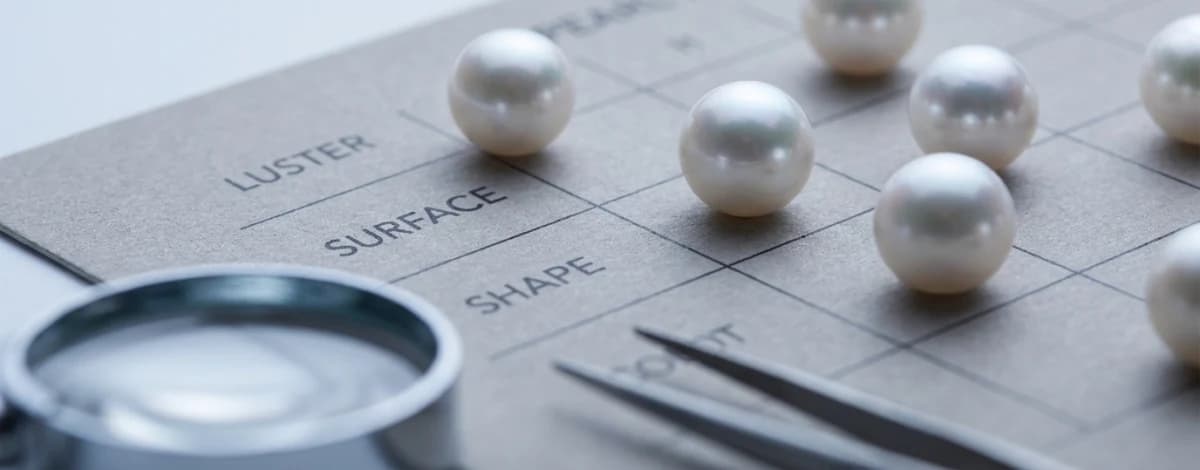
Most of what comes through take-in is finished lab-grown diamond jewellery. Loose stones, natural diamonds, coloured stones and pearls are graded to the same standards.
Finished jewelleryIJI-J
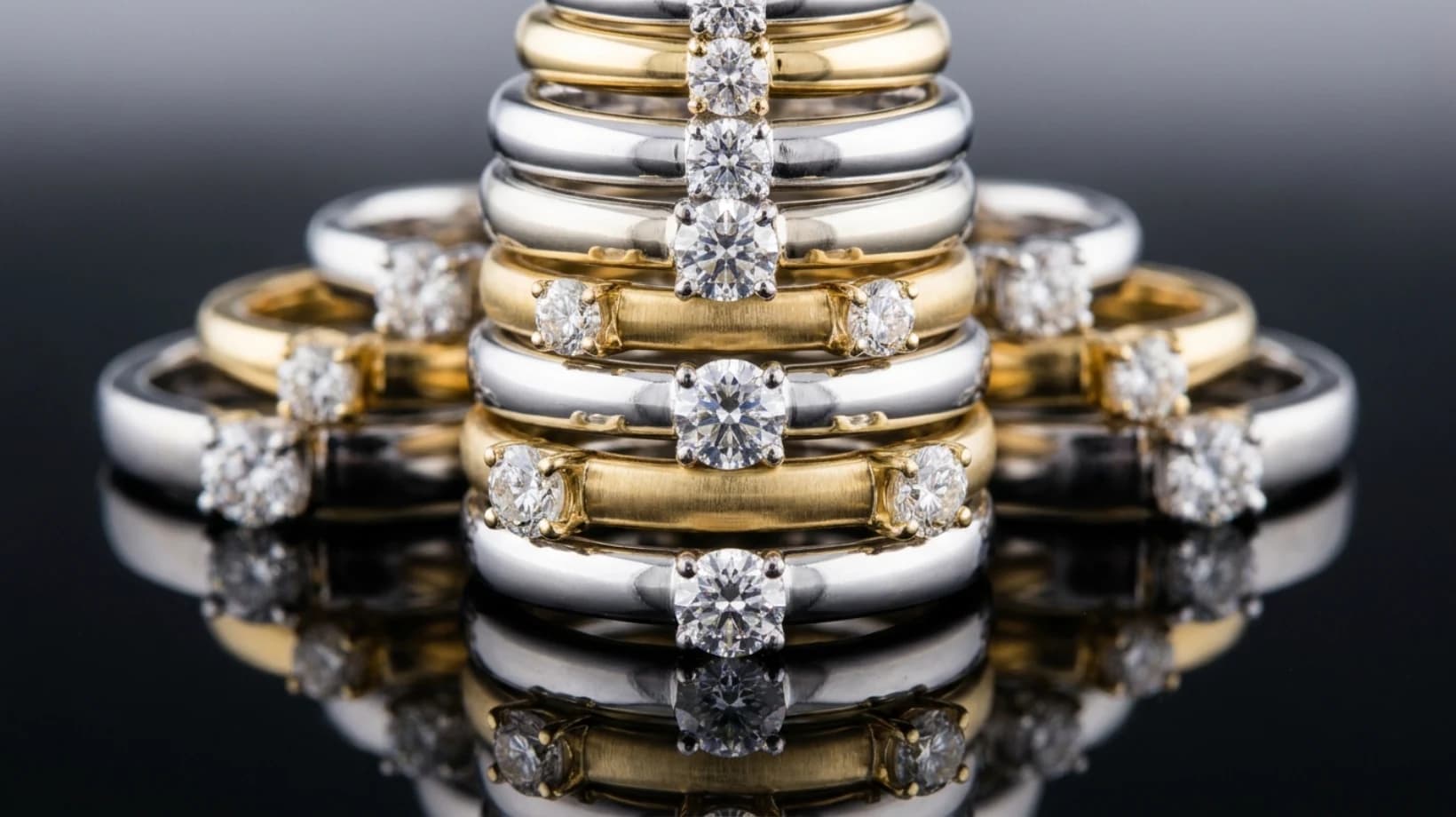
Rings, earrings, pendants, bracelets and necklaces examined as finished pieces.
For brandsIJI-J
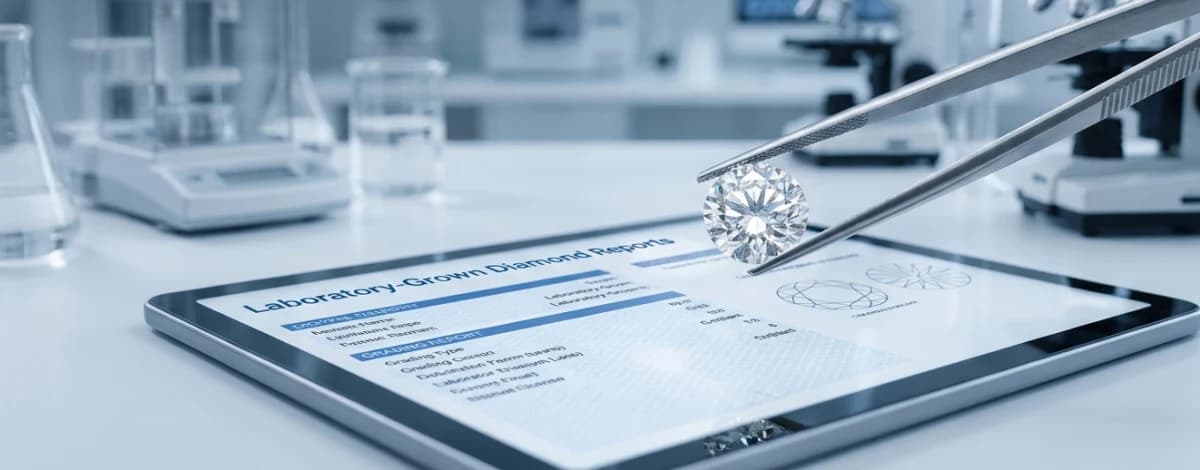
A production run is reported piece by piece. Each piece carries its own numbered report with its style number.
Loose stonesIJI-L
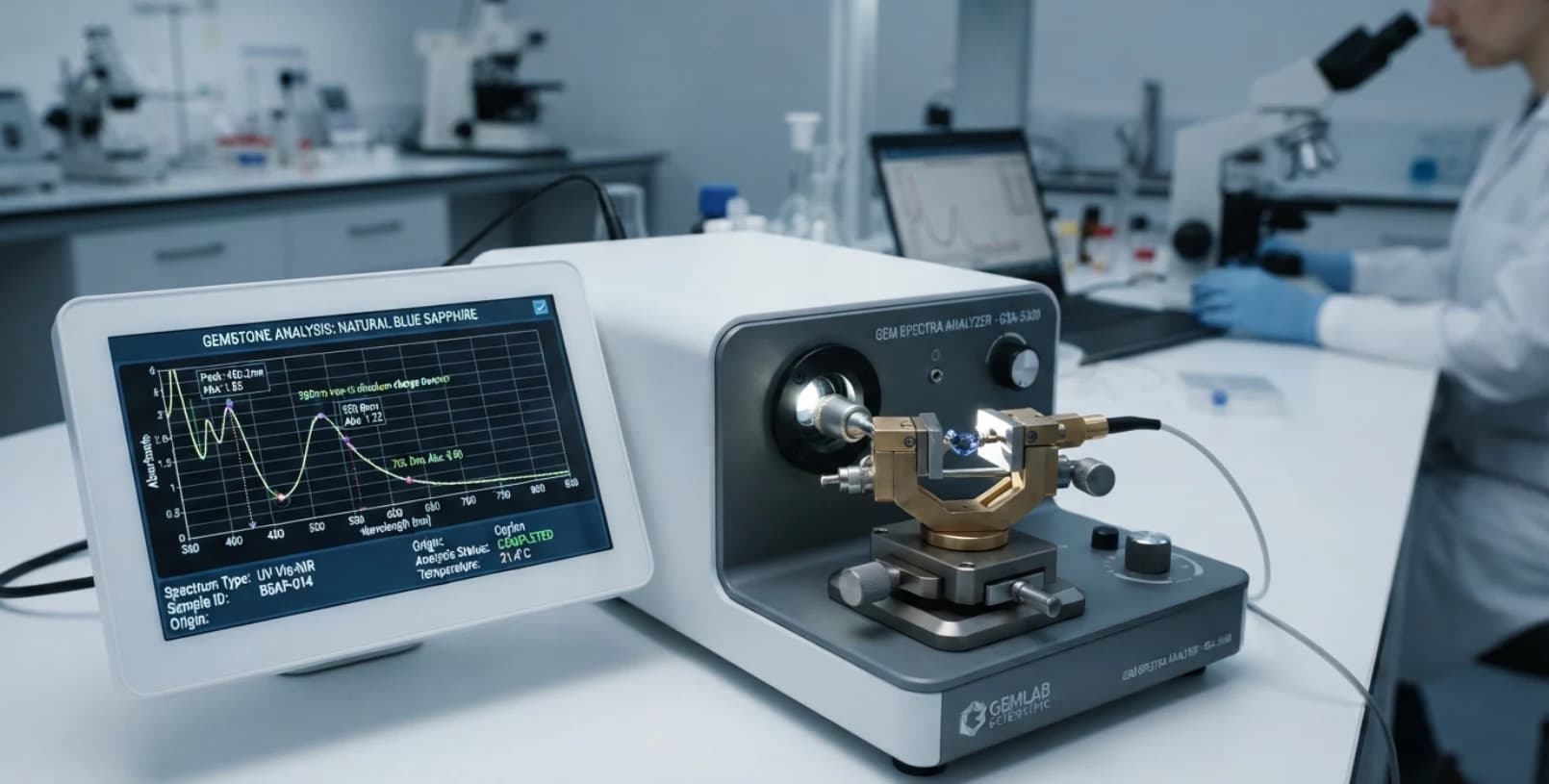
Loose laboratory-grown diamonds, graded on the same scales as natural diamonds.
IdentificationAll pieces
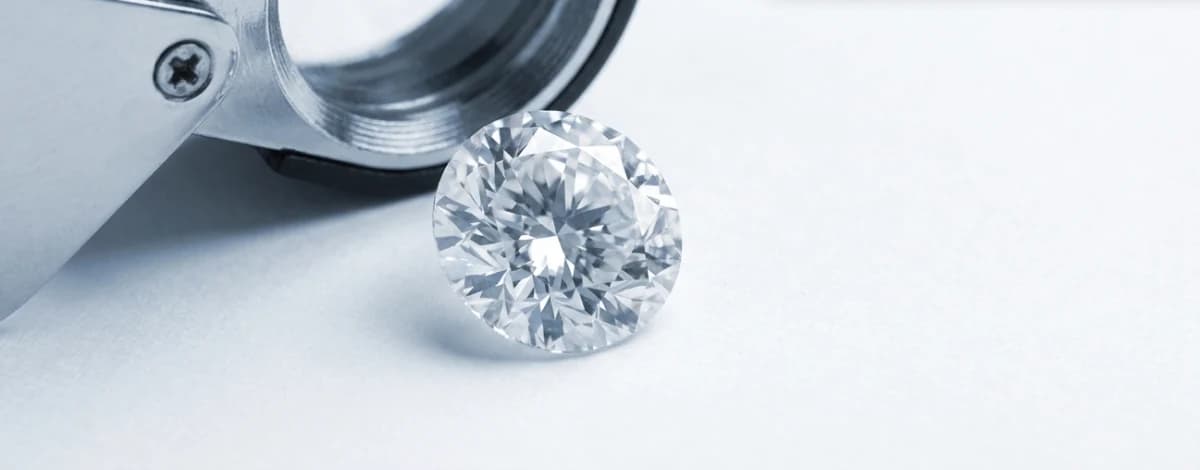
Every diamond in a piece is identified as the mounting permits, not a sample of them.

Impartiality
The institute grades to published standards and has nothing to gain from any grade. Four rules keep it that way.
The institute does not buy, sell or broker gem materials or jewellery, and takes no commission.
Reports carry no price, and no fee is tied to the grade a piece receives.
Goods are anonymised at take-in. Graders see a parcel number, never a brand or client name.
Colour and clarity are set by graders working separately. Disagreement sends the piece back for a further opinion.
Method
The same four steps for a single pair of studs or a production run of rings.
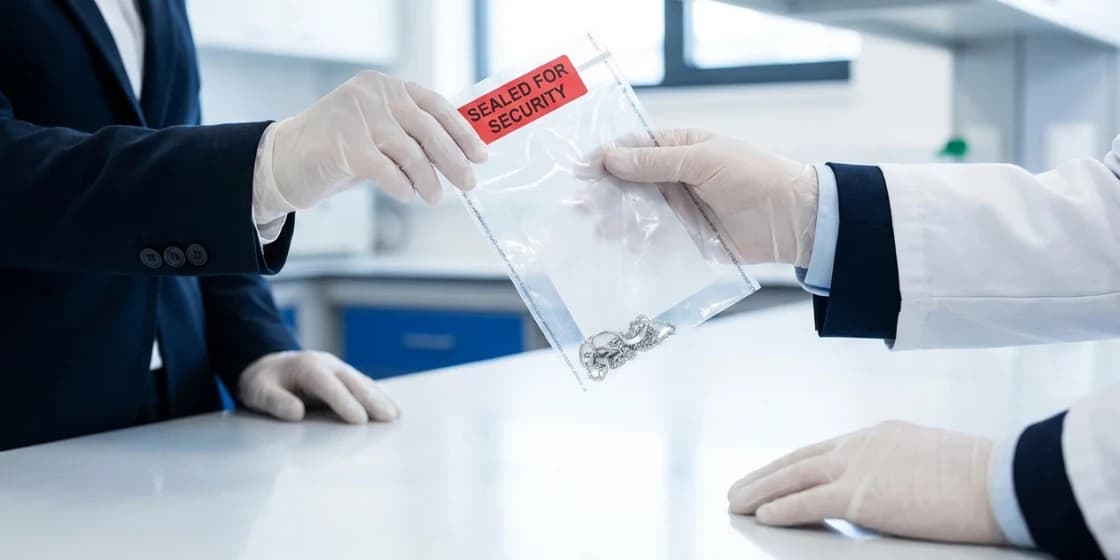
The piece is photographed and sealed in front of you. You get a signed receipt with a parcel number; from here, graders see only that number.
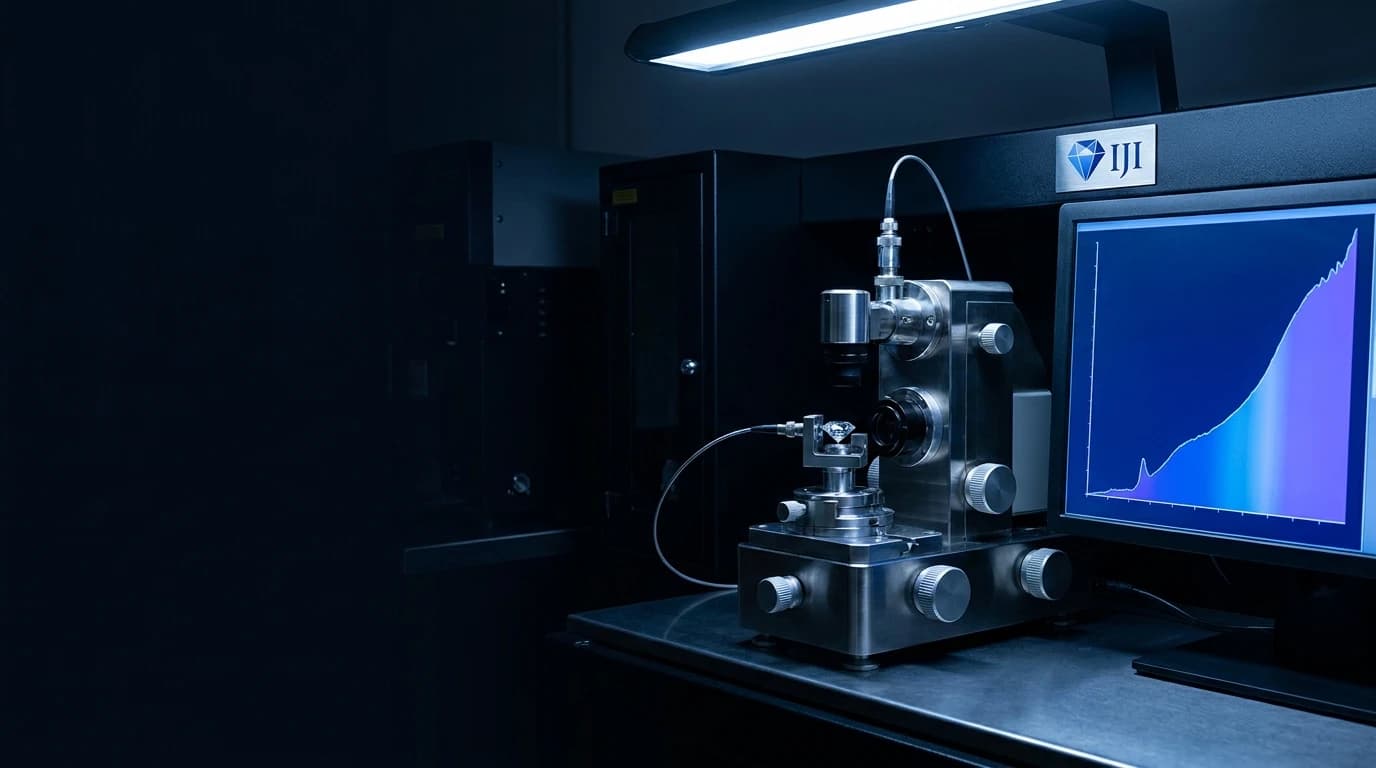
Every diamond in the piece is identified as laboratory-grown or natural, as the mounting permits.
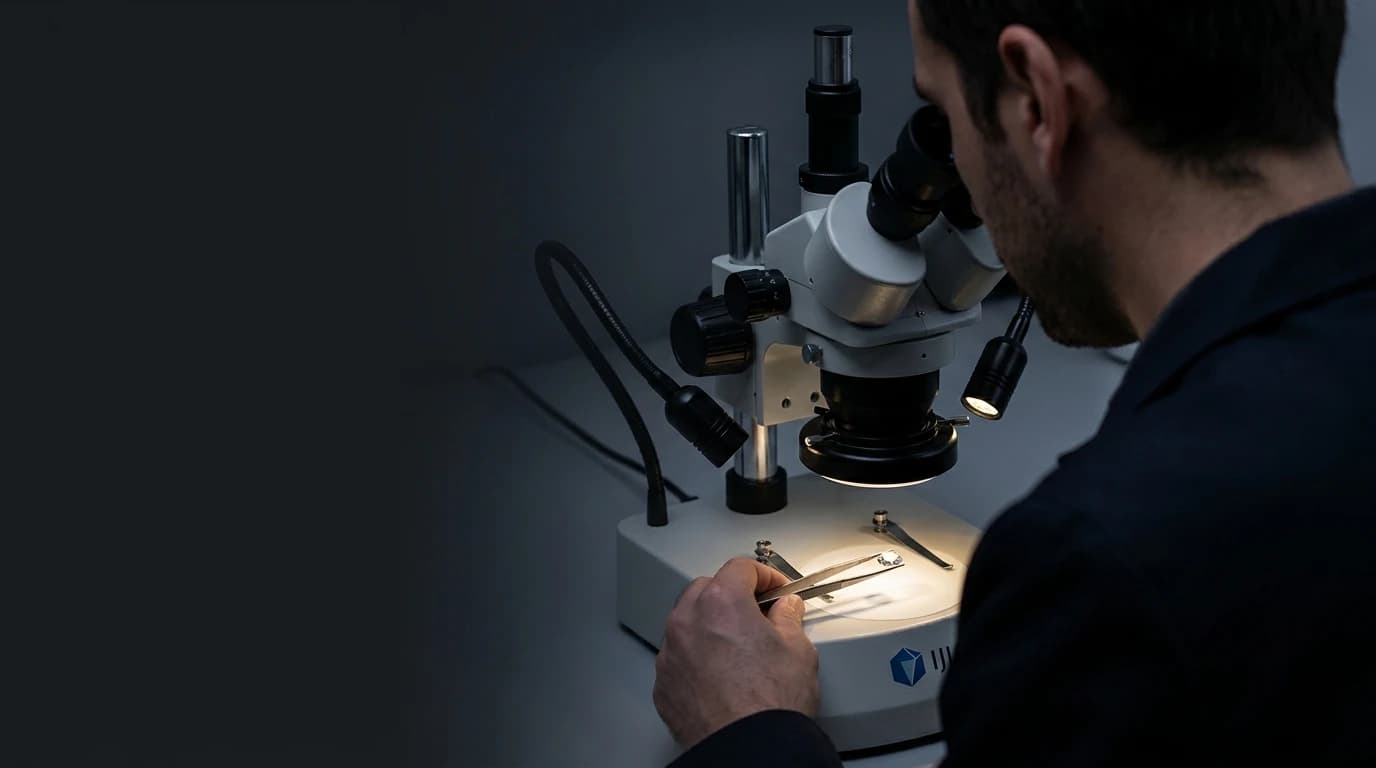
Shape and cut are recorded, the total weight is estimated in the mount, and colour and clarity are given as ranges by graders working separately.
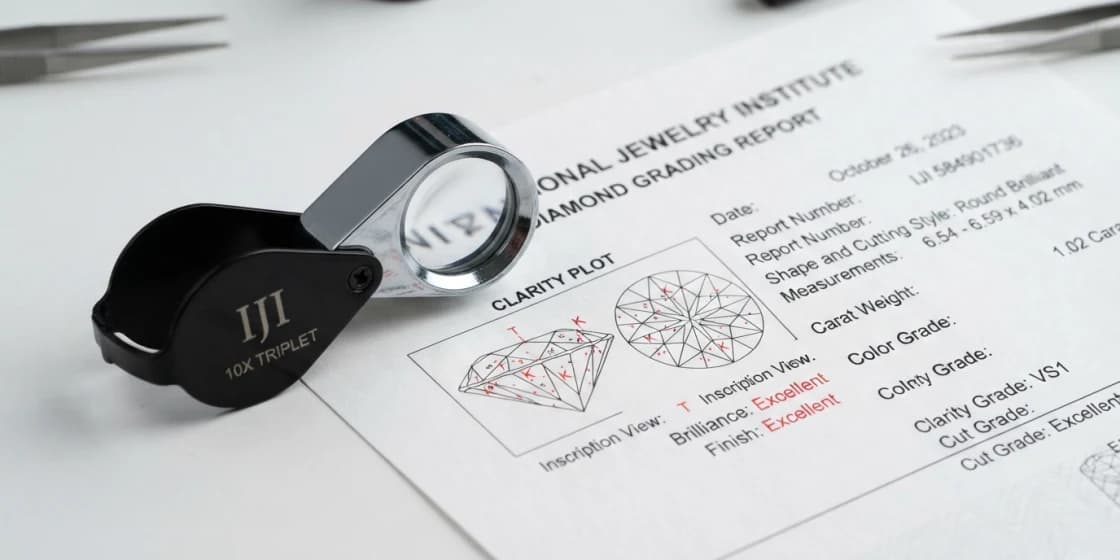
Grades are reconciled, the record is written to the register with a photo of the piece, and the report is printed.
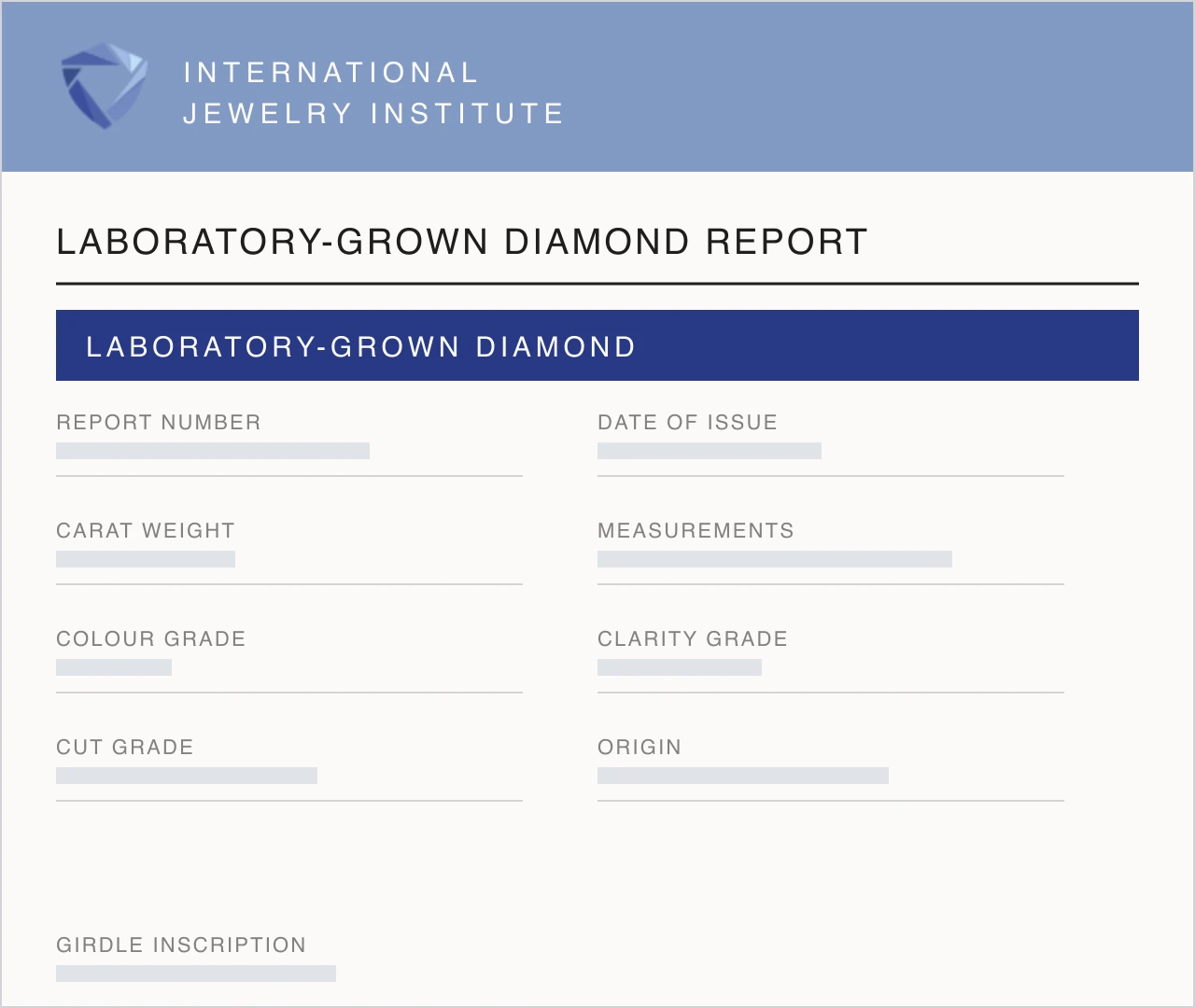
Origin disclosure
Laboratories
Control stones travel between all five, so a piece graded in Toronto reads the same as one graded in Surat.
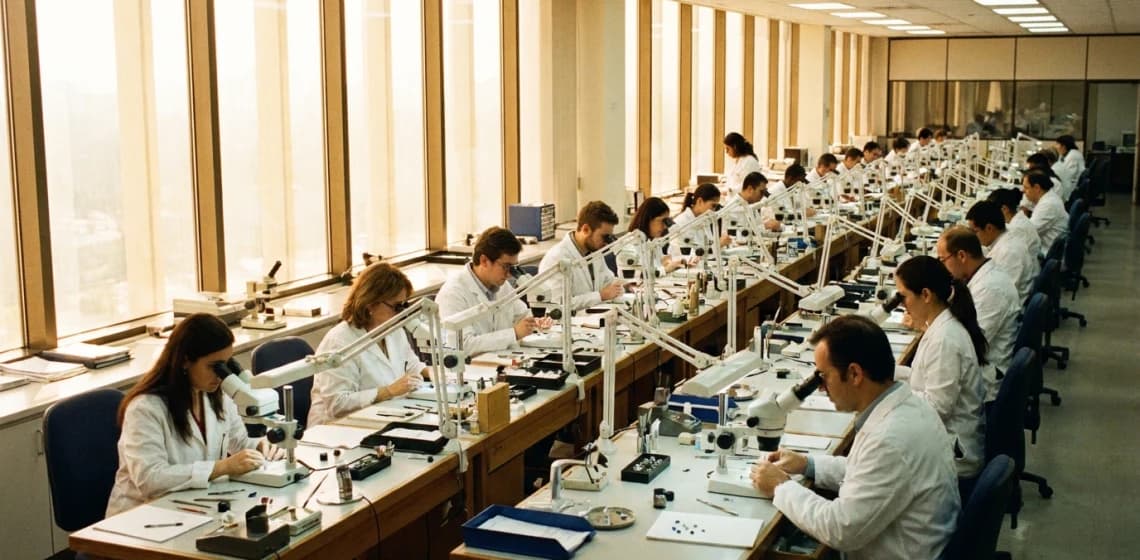
Principal laboratory
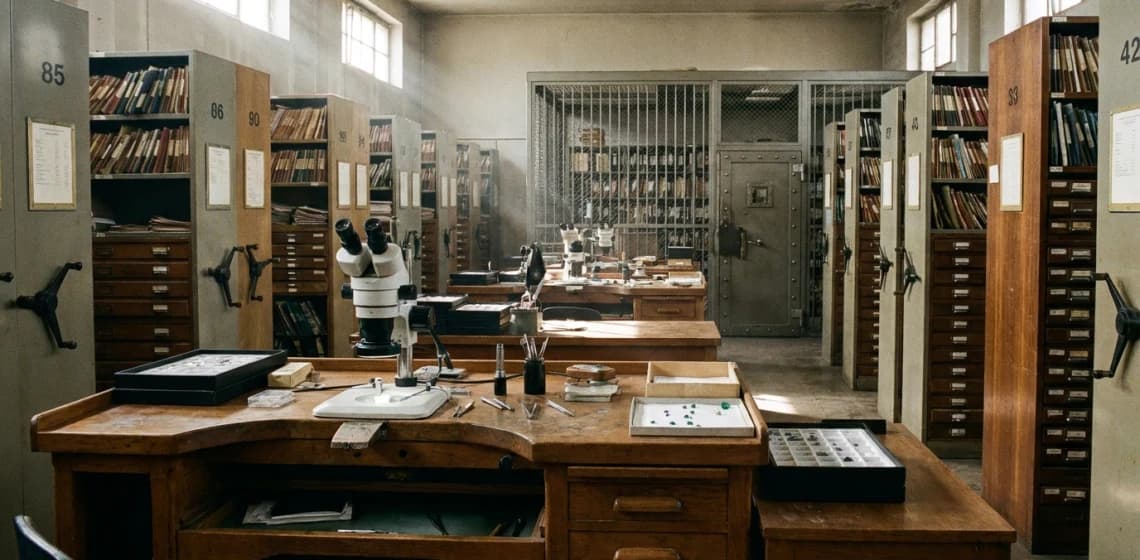
Laboratory and archive
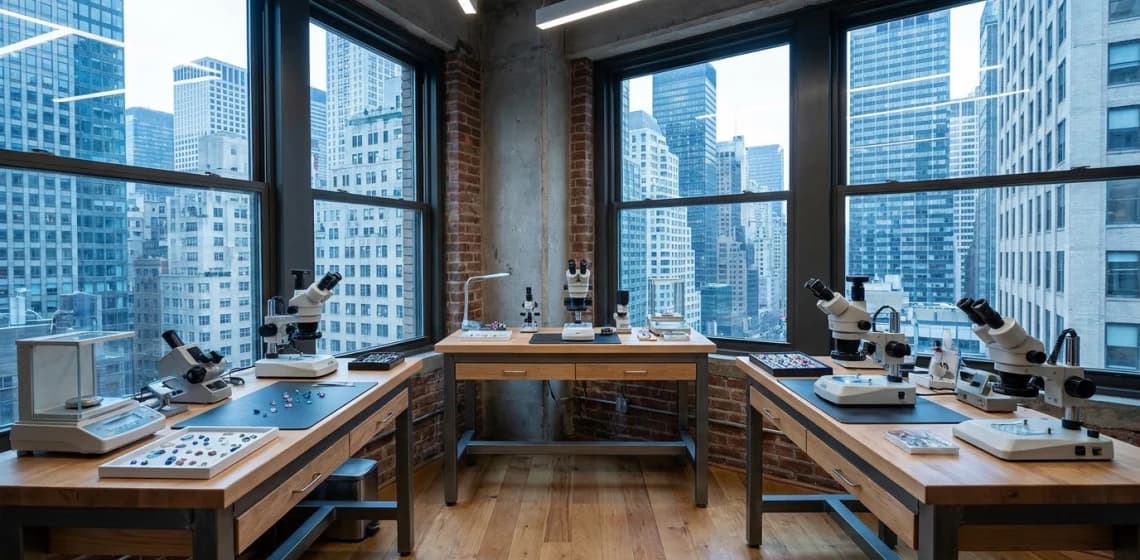
Laboratory
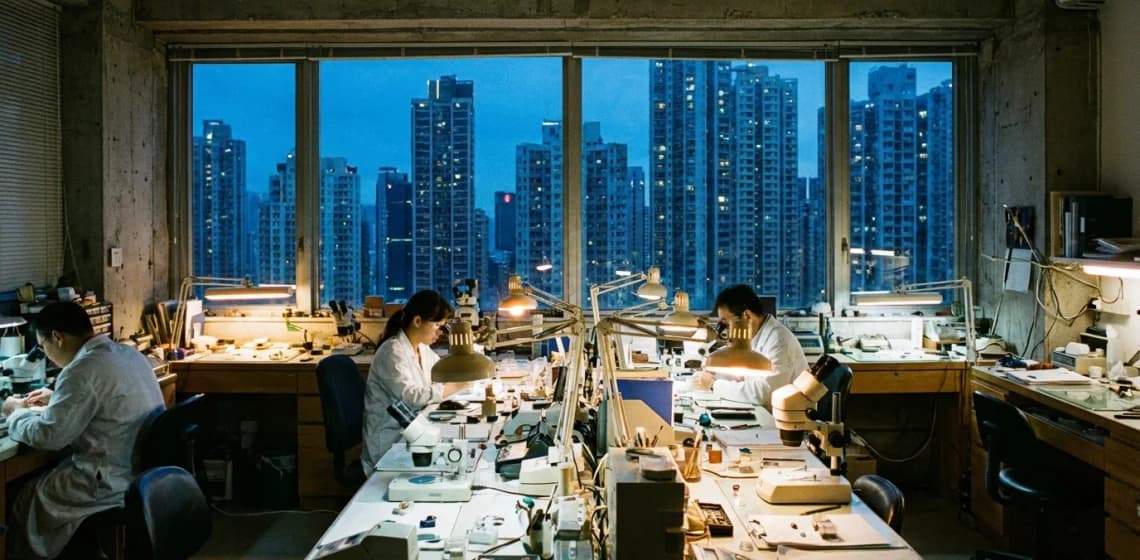
Laboratory
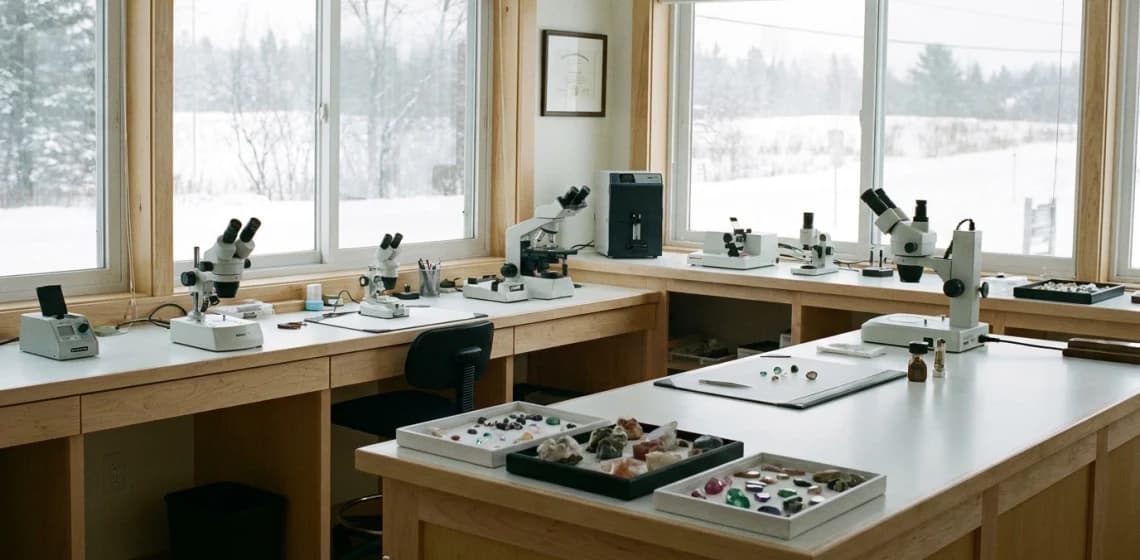
Laboratory