Services

Six laboratory services, one standard of evidence

Goods arrive sealed and anonymised. They are examined by instrument and by eye, by graders who do not know the client, and released only when independent opinions agree.

01
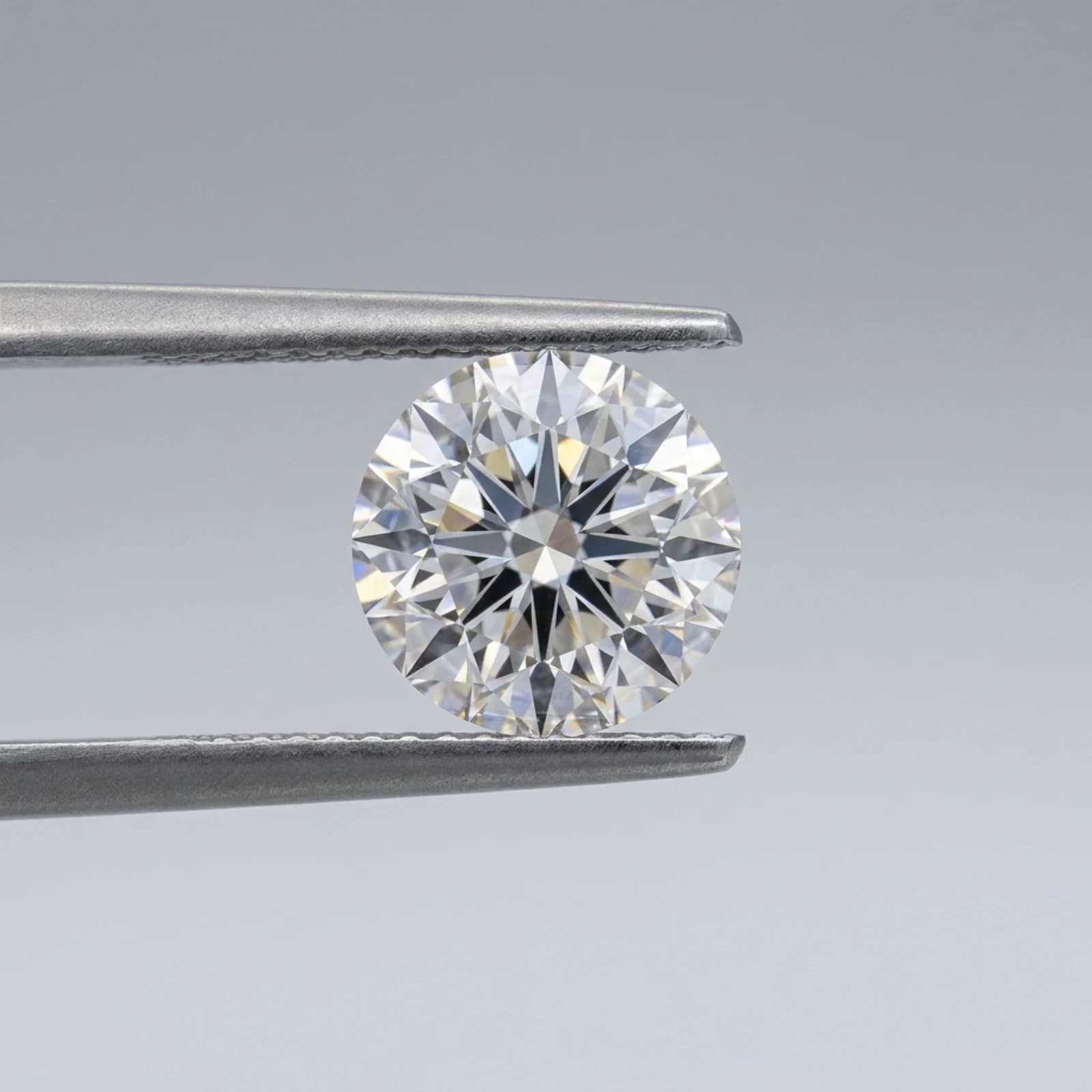
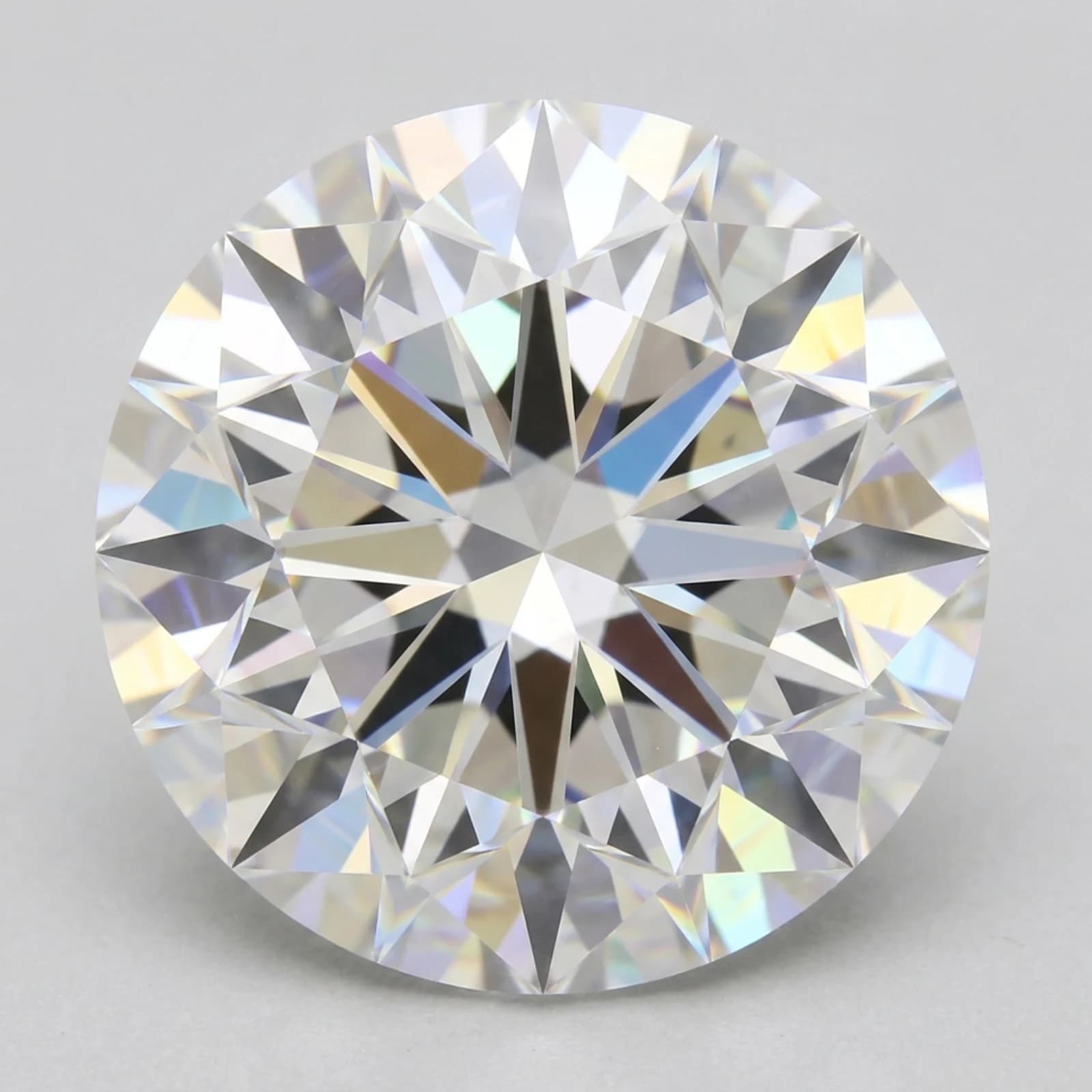
A round brilliant diamond seen face up, filling the frame, its facet pattern catching the light.

Natural diamond grading

Loose polished diamonds from 0.15 ct upward, graded for colour, clarity, cut, polish, symmetry and fluorescence, with plotted inclusions and full proportion measurements. Every stone is screened for laboratory-grown origin and for treatment before grading begins.

Weight range
0.15 ct and above
Report
Diamond Grading Report, prefix D
Inscription
Optional above 0.30 ct
Turnaround
Quoted at take-in
02
A round brilliant diamond held square to the camera in metal tweezers against a plain grey ground.

Laboratory-grown diamond grading

Grown diamonds graded on the established scales, with growth method identified and any post-growth treatment recorded. The report is visually distinct from the natural diamond report and states the origin on the front, in full words.

Weight range
0.15 ct and above
Report
Laboratory-Grown Diamond Report, prefix L
Declared
HPHT or CVD, treatment status
Inscription
Laboratory-grown, standard
03
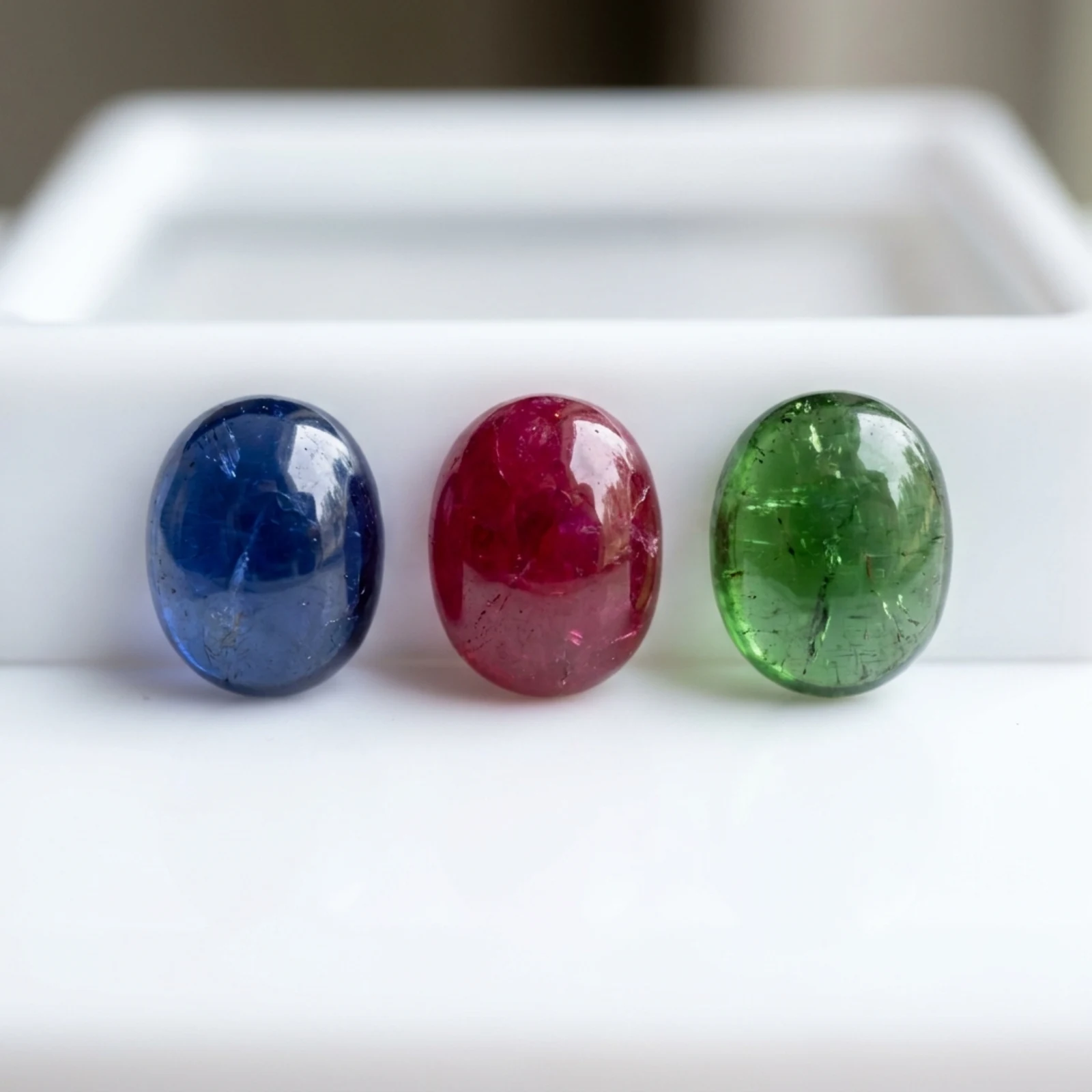
Three cabochon stones — a blue sapphire, a red ruby and a green tourmaline — stood in a row on a white tray.

Coloured stone identification

Species and variety determination by refractometer, spectroscopy and microscopy, with treatment detection. Geographic origin is offered for ruby, sapphire and emerald where inclusion and trace evidence supports an opinion, and withheld where it does not.

Materials
Ruby, sapphire, emerald, others
Report
Identification Report, prefix C
Origin opinion
Where evidence permits
Treatment
Always stated
04
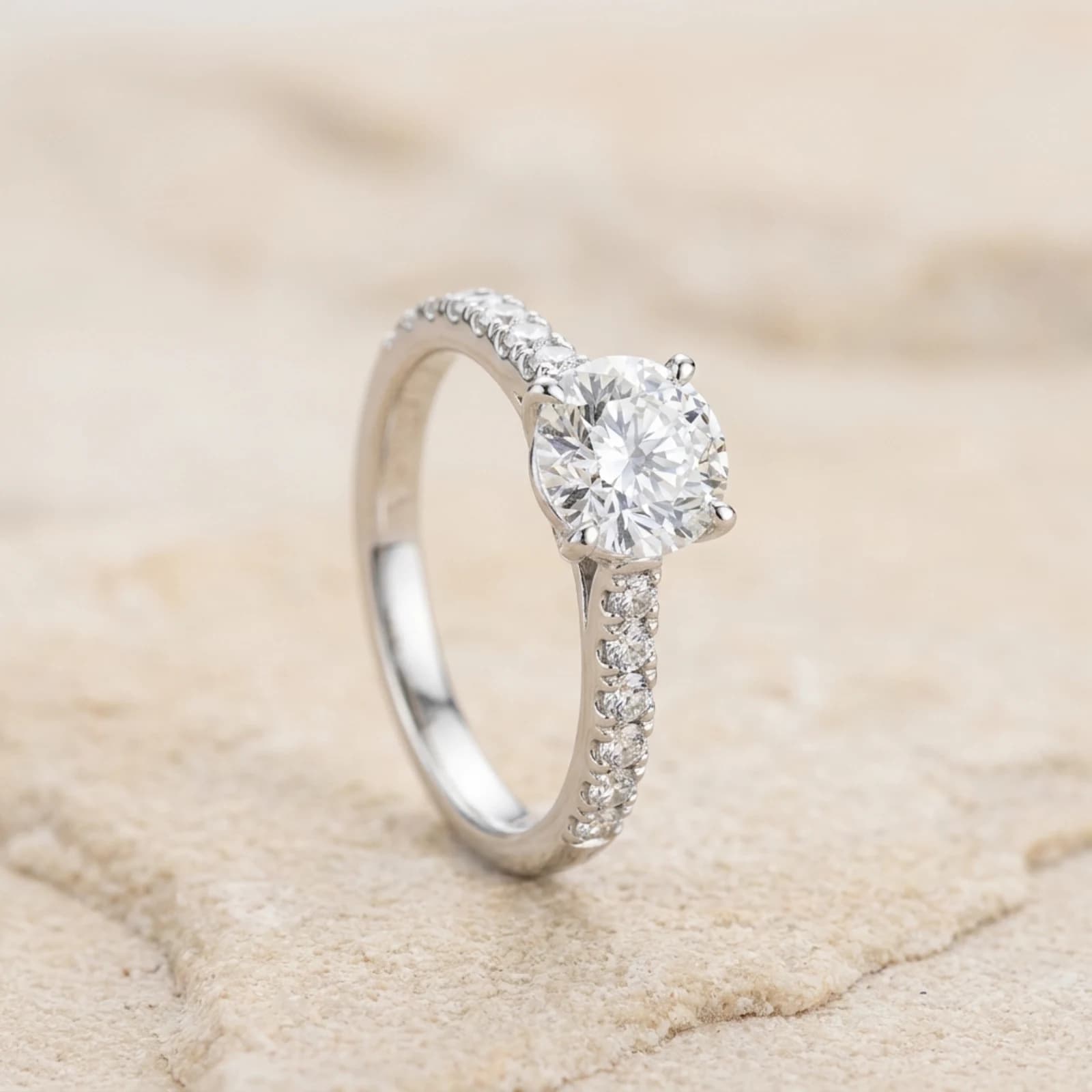
A white metal solitaire ring with a diamond-set band, standing upright on a pale stone ground.

Finished jewellery

Articles graded as they are worn. Metal and hallmarks verified, stones measured and estimated in the mount, ranges given rather than single grades because a mounted stone cannot be graded as a loose one.

Scope
Rings, earrings, necklaces, watches
Report
Finished Jewellery Report, prefix J
Stone grades
Stated as ranges
Metal
Assayed non-destructively
05
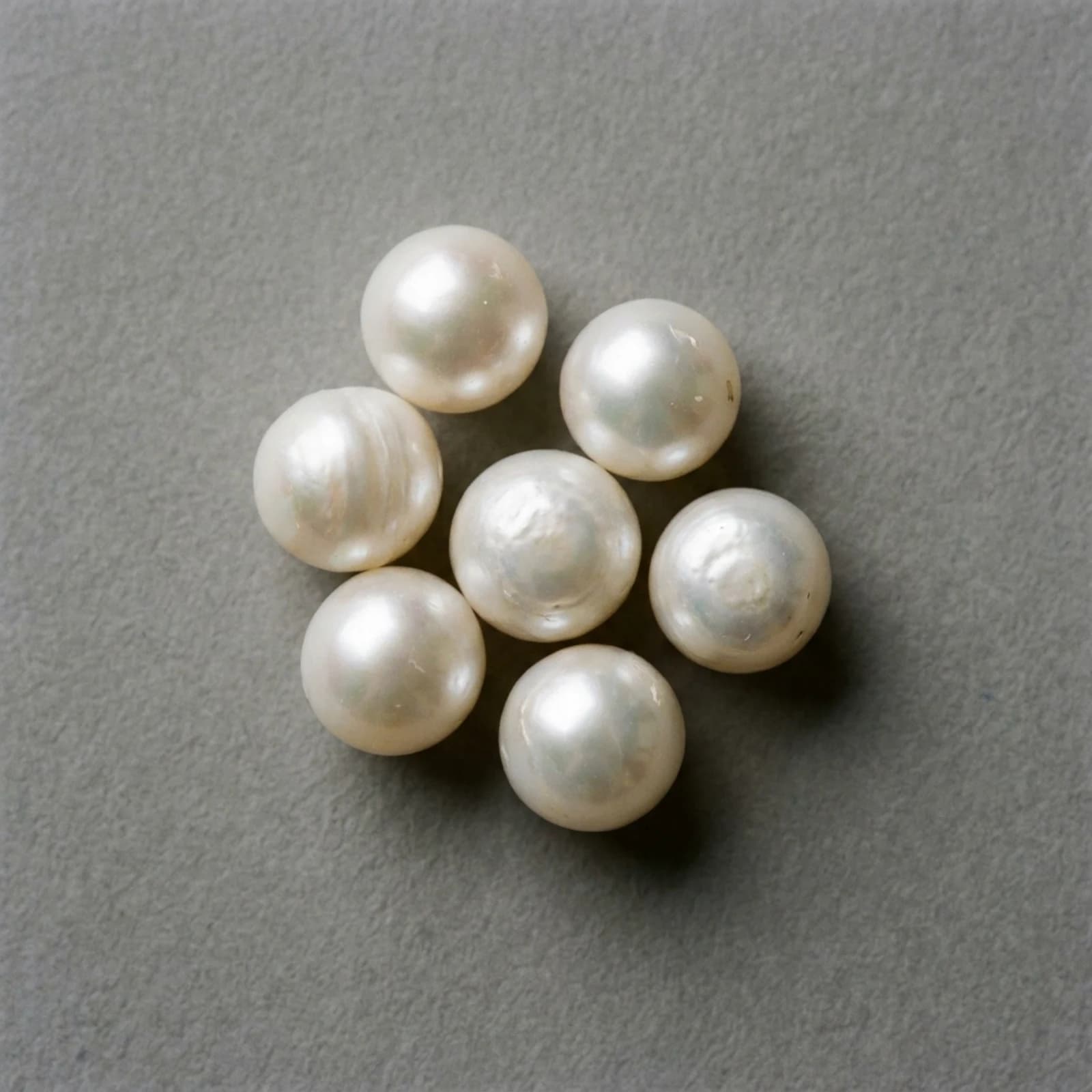
Seven loose white pearls grouped closely together on a neutral grey ground, seen from above.

Pearl identification

Natural, cultured, or imitation, determined by radiography and microscopy. Nacre thickness, surface condition, processing and any dye or irradiation are recorded for single pearls and for strands.

Scope
Single pearls and strands
Report
Pearl Report, prefix P
Method
Radiography, microscopy
Recorded
Processing and treatment
06
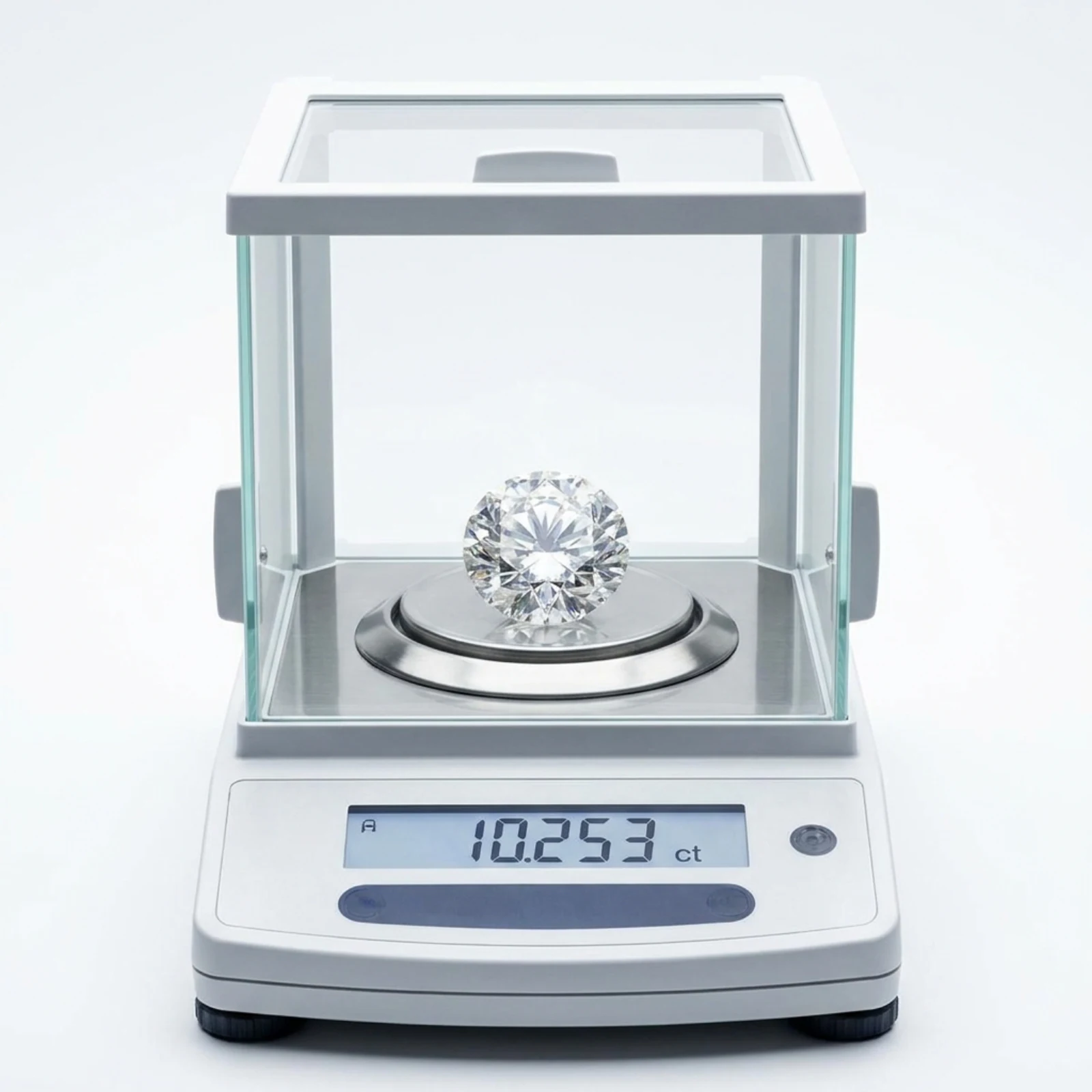
A single round brilliant on the pan of a precision balance behind its glass draught shield, the display reading a carat weight.

Insurance appraisal support

A precise physical description, photographed and measured, for the appraiser or insurer who sets the figure. The institute supplies the facts and never the number, which is what keeps the facts worth having.

Deliverable
Descriptive record and photographs
Value stated
No
Reissue
From archive, on request
Archive
Records held from 2014

Submitting goods

Trade clients submit at any laboratory counter or by insured courier with a completed take-in form. Private owners may submit through a member jeweler, or in person with proof of identity. Turnaround is quoted at take-in and held.

Find a laboratory
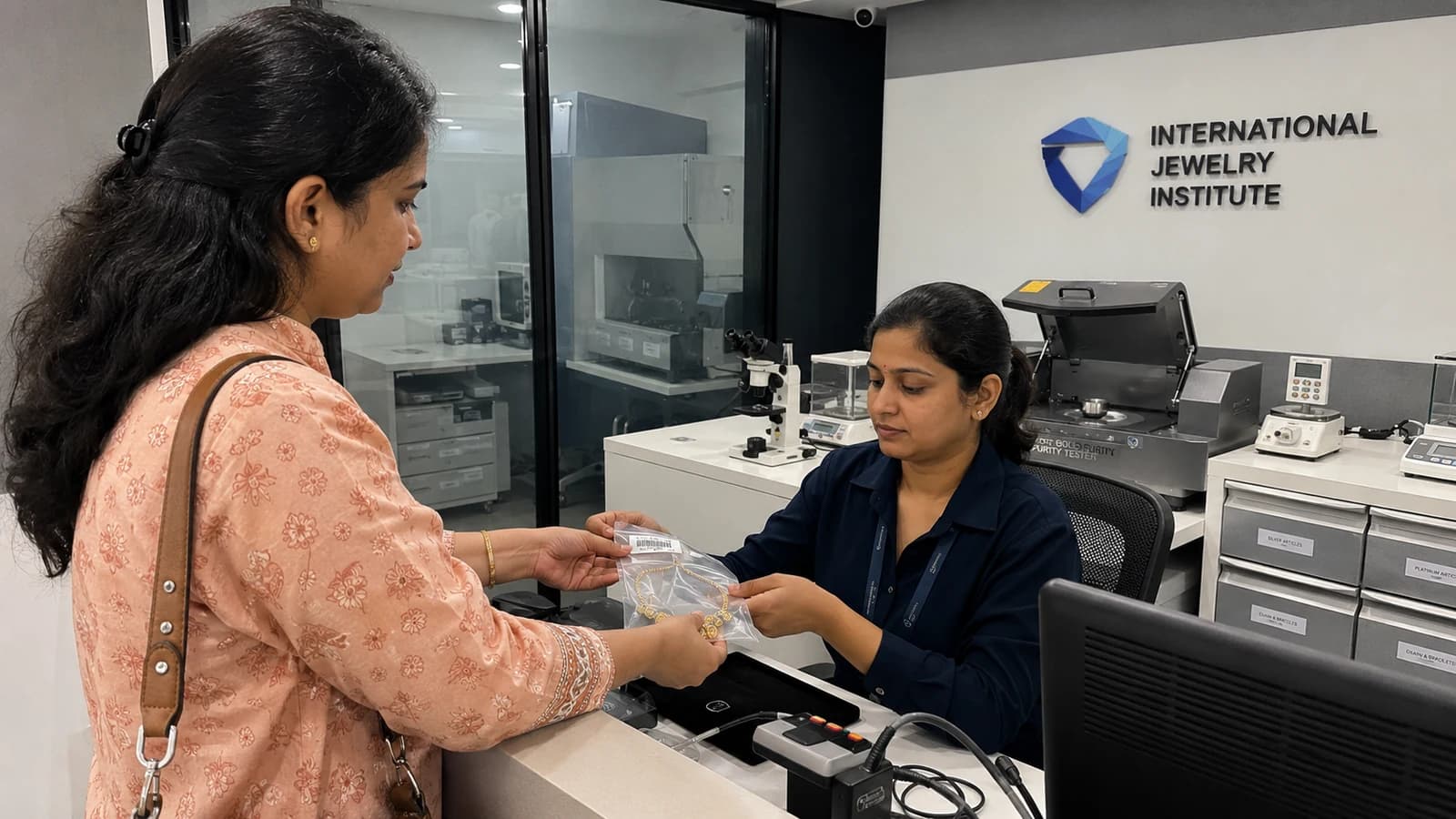
A client hands a sealed bag of gold jewellery across the take-in counter to a member of laboratory staff, testing instruments on the bench behind her.